
What water damage repair covers
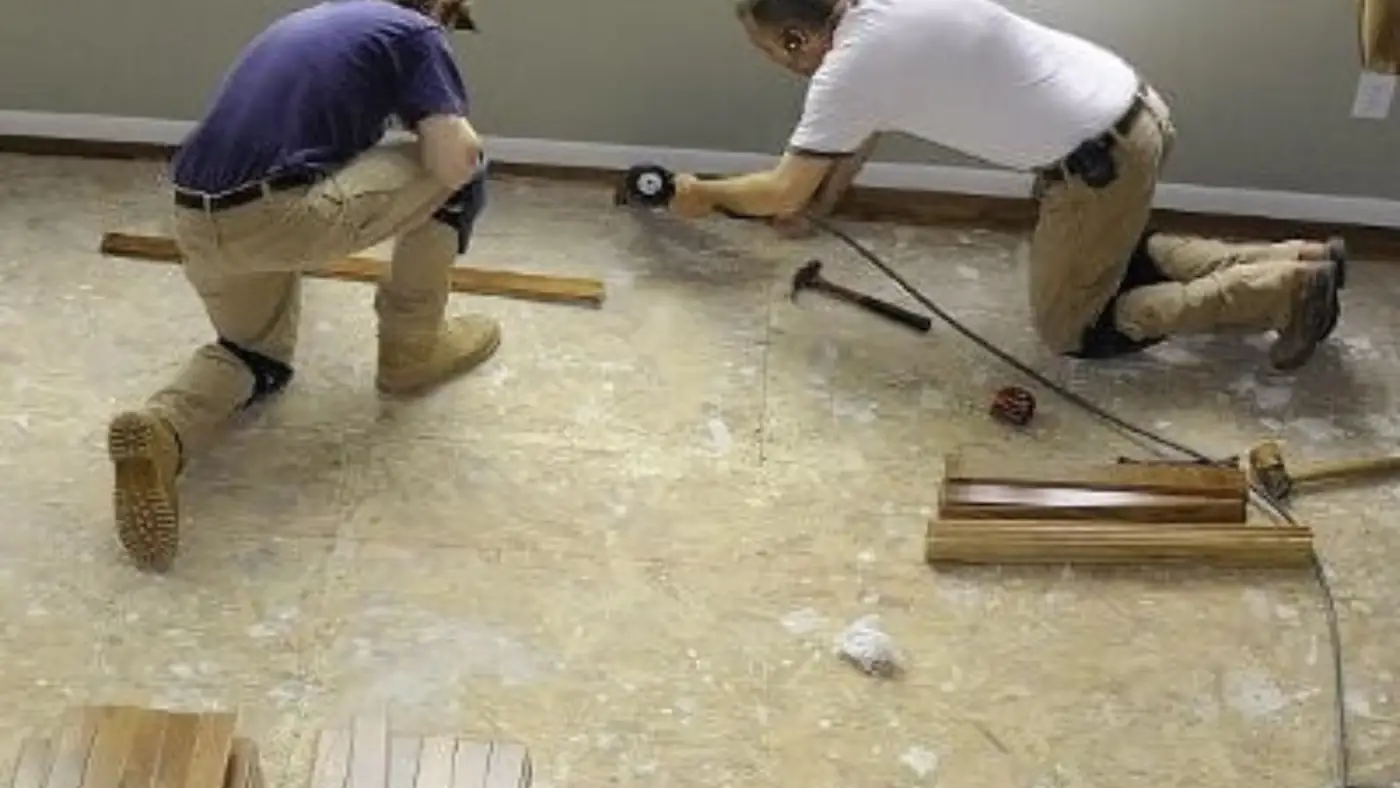
Water damage repair in Studio City, CA picks up where drying ends. It covers the finish work: cutting out and replacing damaged drywall, rebuilding ceilings, replacing insulation, matching texture, repainting, reinstalling baseboards and trim, and replacing or refinishing flooring.
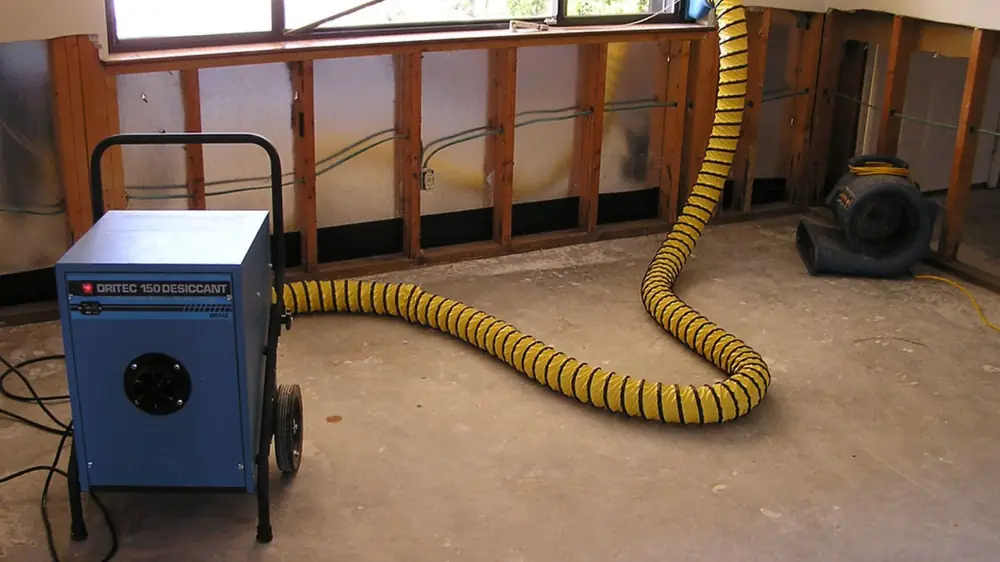
Repair only starts when moisture readings say the structure is dry. Closing up a wall with wet framing behind it is how a small loss turns into a mold problem months later. If the area is not yet dry, water mitigation comes first.
A new leak is still an emergency. The 24/7 line is open for active water, and repair is scheduled once things are stable.
Ceiling and wall water damage repair
Ceilings and walls make up most repair calls. A brown ring on a ceiling, a bubble in the paint or a soft spot in the drywall tells you water reached the board and the material underneath.
A small, dry stain can be sealed with a stain-blocking primer and repainted. If the board is soft, sagging or cracked, the damaged section is cut out back to solid framing and replaced. The patch is taped, mudded, textured to match and primed. Painting the whole ceiling plane from corner to corner hides the repair better than painting a spot.
Insulation above a ceiling leak is usually removed when it is wet, because it holds water and loses its value as insulation. Wall bottoms get the same treatment when water wicked up from a floor leak.
Roof leaks and plumbing leaks are different repairs
Before any interior repair, the source has to be fixed. A roof leak needs a roofer. A plumbing leak needs a plumber. An air conditioner drain that overflowed needs an HVAC technician. Interior repair after the fact only works if the water has stopped coming in.
If you are not sure where water is coming from, the crew uses moisture mapping and a thermal camera during the first visit to trace the wet path and tell you which trade to call.
Hardwood floor cupping and drying
Wood floors take on water at the edges of each board, so they cup (edges higher than the center) when the underside stays wet. Waiting is the right move early on. Sanding a floor before it is dry locks in the damage, and the boards can still flatten once moisture is out.
After several weeks of drying and stable readings, a floor can often be sanded and refinished. Boards that are cracked, stained black or stuck loose are replaced. If water was trapped under a finish or a floating floor, more of the floor may need to come up.
| What got wet | Usual repair approach | What drives the scope |
|---|---|---|
| Painted ceiling with a stain | Seal, prime and repaint if dry and firm | Size of stain and whether the board is soft |
| Sagging or cracked ceiling drywall | Remove and replace the damaged section, match texture | Width of the damaged area, ceiling height, texture type |
| Wall bottoms wicking water | Cut out wet drywall, replace insulation and baseboard | Height of the water line, number of walls |
| Cupped or buckled hardwood | Dry, wait for stable readings, then sand or replace boards | Wood species, finish and how long it stayed wet |
| Cabinets and vanities | Dry and repair, or replace kick plates and bases | Material (solid wood versus particleboard) |
Ready to rebuild after a leak?
Call to talk through the scope. The 24/7 line also handles new emergencies.
Permits and inspections
Whether a repair needs a permit depends on the work and the city. Cosmetic work such as paint and trim usually does not, while structural work, electrical or plumbing changes often do. Ask the building department for your address.
In Studio City that is the Los Angeles Department of Building and Safety, and in a neighboring city like Burbank it is the City of Burbank. We do not guess at rules, and the scope document names anything that needs a permit review.
What affects the cost of repair
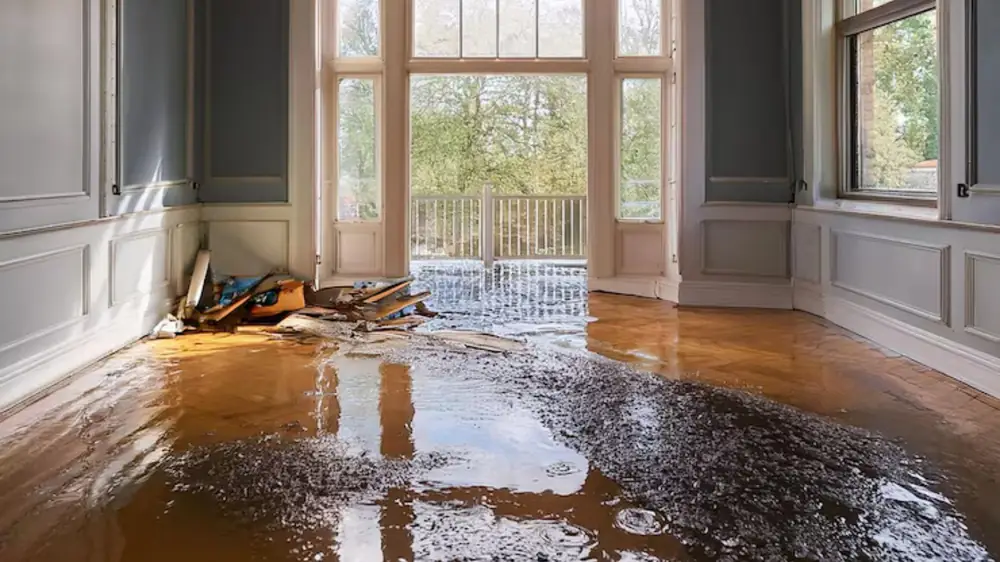
Repair is where most of the total lands, and scope and price are explained before work starts. The big factors:
- Square footage and height. More area and higher ceilings mean more material and labor.
- Materials. Hardwood, plaster, custom trim and cabinet material cost different amounts to replace.
- Finish matching. Texture, paint color and wood species have to blend with what stays.
- Drying results. A thorough drying job saves repair cost by keeping more material in place.
- Access. Stairs, tight rooms and occupied spaces slow the work.
On claims, in general terms: mitigation and repair are often separated on a claim, sudden and accidental losses are often covered, and slow leaks often are not. Ask your insurer which parts of the rebuild apply to your policy, and keep every estimate and photo. Want your real number? Call (818) 337-2642.
Serving nearby neighborhoods
Repair crews serve Studio City and Valley Village, where many older single-story homes and apartment buildings are found. After repair, the walls and ceilings are inspected one last time against the original moisture readings. If something still reads wet, water damage cleanup or more drying is added before the room is closed.
Water damage repair questions in Studio City
Safety checklist before repairs
- Confirm the structure is dry. Repairs over wet framing trap moisture.
- Keep power off to any circuit that serves a wet area until it is checked.
- Stay out from under a ceiling that sags or bulges.
- Wear gloves and eye protection when removing wet drywall or insulation.
- Ask the building department whether the work needs a permit before it starts.
ANSI/IICRC S500 is the published standard for water damage restoration, and the California Contractors State License Board lets you look up a contractor's licence before you hire. Check both.
Can someone look at the damage before I decide anything?
Yes. A site visit lets a crew measure moisture and describe the scope. Scope and price are explained before work starts, and the dispatcher can tell you what to expect when you call.
How long after a leak can repair start?
Once moisture readings are back to normal. Drying often takes about three to five days, though larger losses take longer. Repair on wet framing traps moisture.
Will the repaired ceiling match the rest of the room?
The crew matches texture and paints the full ceiling plane, which is the best way to hide the repair. Older textures can be hard to match perfectly, and that is explained up front.
Do you replace flooring after water damage?
Flooring that cannot be dried and saved is replaced, and salvageable hardwood can often be refinished after it has dried. The decision is based on readings and how long the floor stayed wet.
Do you fix roof leaks?
Roof leaks are repaired by a roofer. The restoration crew traces the water, dries and repairs the interior, and tells you what the roofer needs to address.