
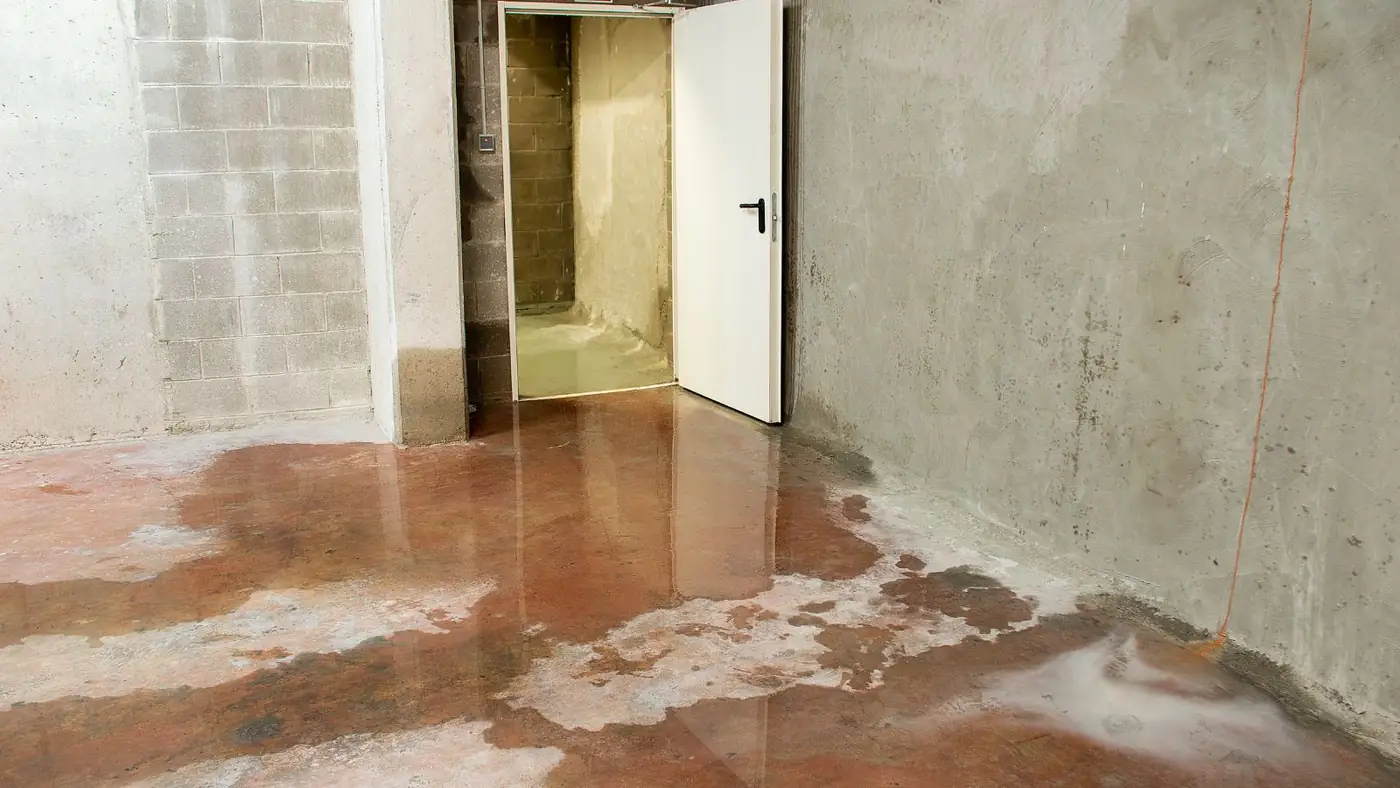
Basements here are uncommon, below-grade rooms are not
Let us say it plainly. Full basements are not typical in Studio City or the rest of the Valley, and we will not claim they are. Basement water damage cleanup here usually means a space that sits partly or fully below the ground around it.
Those include lower levels and garden-level rooms on hillside lots, subterranean garages, finished rooms below street grade and older cellars. Window wells and stair entrances that sink below grade also collect water, and so do sump or ejector pumps that fail.
If you have one of these spaces, the same physics apply as in a true basement. Water collects at the lowest point and soil on the other side of the wall can keep pushing it in.
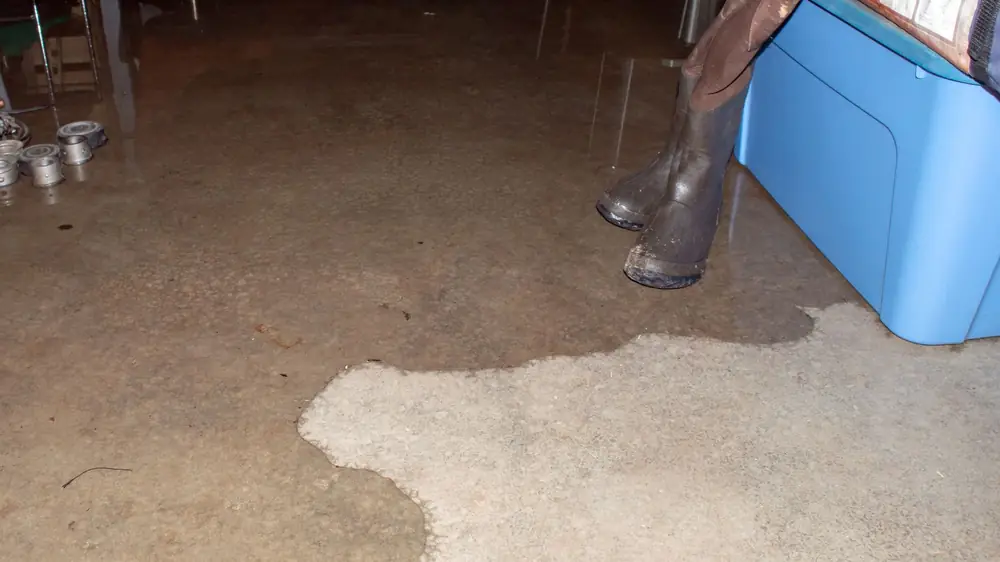
Where below-grade water comes from
Seepage through slab joints
After rain, water can come up through cracks and the joint where wall meets floor.
Wall seepage
Damp patches on concrete or block walls that darken after storms.
Window wells and stair entries
Rain collects in the low well and spills over the sill or door threshold.
Sump or ejector failure
A pump that stops lets the pit overflow into the room.
Hillside runoff
Water moving downslope hits the lower level wall.
Safety steps for the first hour
Water in a lower level is often close to outlets, a panel, a water heater or a gas appliance. Stay out of standing water. Only shut off the breakers if the panel itself is dry and easy to reach, and call 911 or the utility for any electrical or gas risk before calling us.
If the water came in from outside, it may carry mud and debris. Keep children and pets away, move valuables up, and take photos from the doorway.
Groundwater, channels and the Valley's history
Published local history notes that early orchards in nearby North Hollywood relied on a high water table near Tujunga Wash. That tells you groundwater has sat close to the surface in parts of this area.
The Los Angeles River and Tujunga Wash run through the area as concrete-lined channels that merge just west of Colfax Avenue, next to Radford Studio Center. A lined channel carries storm flow. It does not change what the soil does, and below-grade rooms nearby can still see seepage after rain through slab joints and walls.
LA County Public Works says the flood control system includes hundreds of miles of open channels and thousands of miles of storm drains that carry storm water from developed areas. Storm drains help, but a low room can still take water when soil outside stays saturated.
Water in a lower level, rain still falling?
Call the 24/7 line before you start pumping.
Do not pump it dry in one rush
When the ground outside is saturated, water pressure pushes against the walls and floor. Emptying a flooded space too quickly can leave that pressure unbalanced, which can stress walls and slab. A gradual approach keeps the load more even.
That is the hydrostatic side of the problem, and the crew watches for it. We extract in stages, check readings and look for where water keeps entering. The fix for the cause belongs to other trades, and we work around them.
How we dry a below-grade space
Extract in stages
Extraction units remove standing water at a controlled pace when saturated soil is outside.
Remove wet materials
Carpet, pad, insulation, baseboards and wet drywall come out so concrete and framing can dry.
Dry and dehumidify
Drying mats, air movers and LGR dehumidifiers run while moisture meters track concrete and framing. Below-grade air is humid, so dehumidifiers carry most of the load.
Watch the cause
After drying, we check whether water returns after rain. If it does, the source needs a waterproofer or plumber, since waterproofing is not our trade.
Drying has limits. The U.S. EPA says to dry water-damaged areas and items within 24 to 48 hours to prevent mold growth, and it advises keeping indoor humidity below 60 percent, ideally 30 to 50 percent. Dehumidifiers matter in a space that cannot easily be aired out.
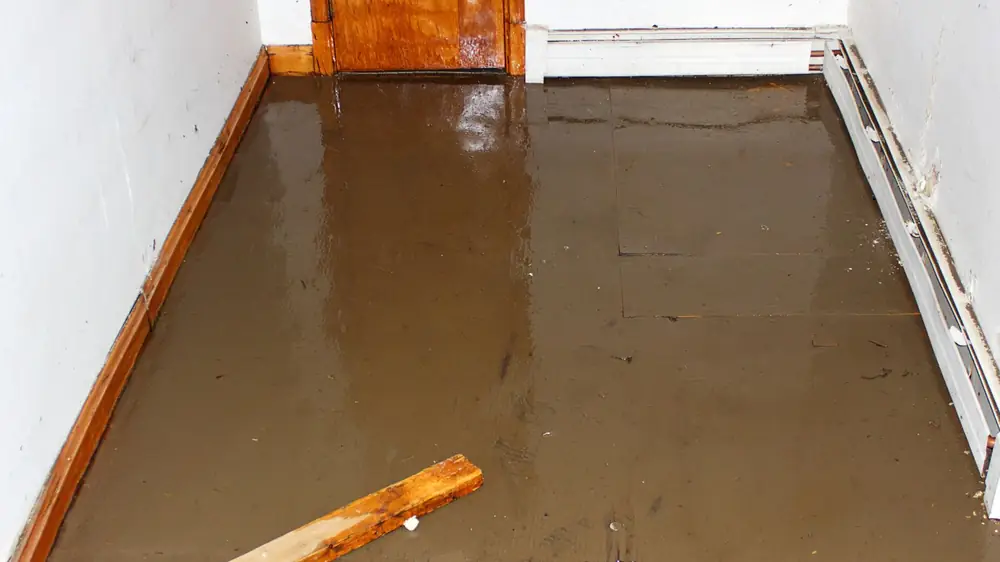
What changes the cost of basement water cleanup
Price is explained before the first hose is run. Below grade it turns on:
- Depth and volume. More standing water takes longer to extract.
- Finished or bare. Finished rooms have more flooring, drywall and trim to remove.
- Water source. Groundwater, storm runoff or a failed pump bring different cleanup needs.
- Concrete and framing. Slabs hold moisture and take longer to dry.
- Access. Stairs and tight spaces slow equipment setup.
- Repeat water. If rain keeps adding water, drying may have to be repeated.
Insurance and floodwater
The California Department of Insurance says homeowners and commercial policies typically exclude flood, mudslide and debris flow. Flood coverage comes through the National Flood Insurance Program, sold by licensed agents, and a new policy generally takes effect 30 days after purchase.
That means buying coverage after the rain starts is too late. Ask your insurer how a pump failure, seepage and surface flooding are treated before you need to file. For water from outside, see flood damage restoration.
Mistakes to avoid and ways to prevent repeats
- Pumping a flooded space dry all at once while the soil outside is saturated.
- Leaving wet carpet or boxes against concrete walls.
- Ignoring a window well or stair entrance that fills in every storm.
- Skipping a test of the sump or ejector pump before the wet season.
- Storing keepsakes directly on a below-grade floor.
Rain in downtown Los Angeles averages about 14 inches a year, mostly from late fall through winter, according to NOAA normals. Those are downtown figures and Studio City can differ, particularly on hillsides. Check pumps and drains before the wet months. For roof and runoff events, see storm water damage.
Below-grade water in Studio City and Sherman Oaks
Studio City sits in the southeast San Fernando Valley with the Santa Monica Mountains on its south side, and hillside lots can have lower levels cut into the slope. Laurel Canyon Boulevard and Coldwater Canyon Avenue come down to Ventura Boulevard, so runoff has a path to the flatter streets below.
The Los Angeles River forms the northern edge of Sherman Oaks, and Ventura Boulevard runs through it, so a lot near the channel can share these conditions.
Basement water questions in Studio City
Is emergency basement water damage cleanup available in Studio City?
Yes. A flooded lower level at midnight is still an emergency call. Stay out of standing water, tell the dispatcher about the depth, and a crew is sent the same day when available. No exact arrival time is promised.
Do Studio City homes even have basements?
Full basements are not typical here. Lower levels on hillside lots, subterranean garages, finished rooms below grade and older cellars do exist.
Why did water come in when nothing was leaking?
Saturated soil can push water through slab joints and walls after rain. A plumber, waterproofer or both may need to look at the cause.
Should I pump the water out myself?
Call first. If the soil outside is saturated, emptying the space in one rush can cause problems, so extraction is done in stages.
Can you waterproof my lower level?
No. Waterproofing is another trade. We dry the damage and watch for the cause.
Does homeowners insurance cover groundwater seepage?
Flood is typically excluded and needs separate coverage. Ask your insurer how seepage and pump failure are treated.