
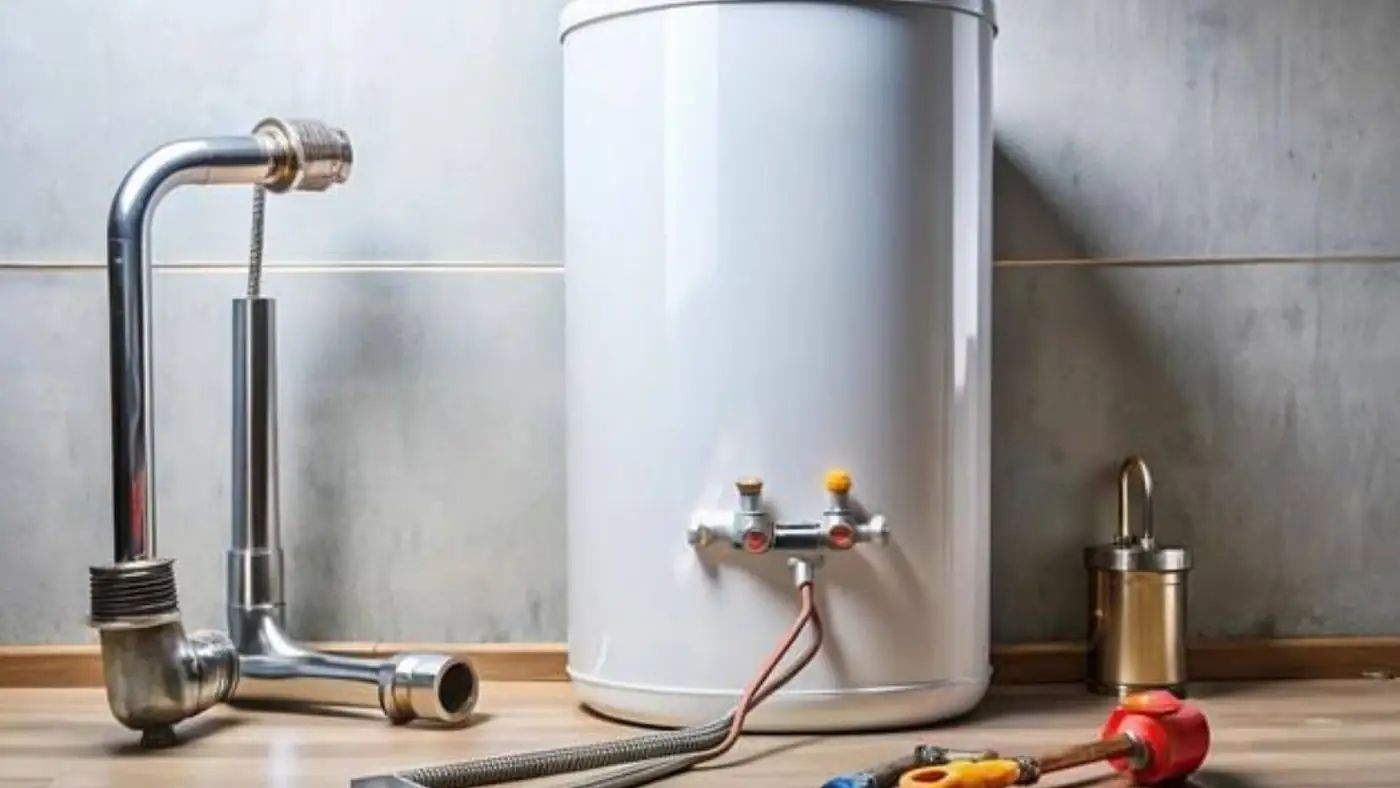
How a leaking water heater turns into water damage
Emergency water heater leak cleanup is the removal of water and wet materials after a tank, valve or connection lets go. The heater holds dozens of gallons under pressure, so even a modest failure can put a lot of water on a floor quickly.
Most leaks come from one of four places. The steel tank can corrode through at the bottom after years of sediment and heat. The temperature and pressure relief valve can weep or discharge. The cold supply or hot outlet connection on top can loosen or corrode. The drain valve near the base can also drip.
Location decides how far the water travels. A heater in a garage sends water across a slab. A heater in a hall closet sends it under the door into carpet and along the baseboards. A heater in an attic or an upstairs unit sends it through the ceiling below, and that is where a small tank leak becomes a multi-room loss.
What you see and what it means
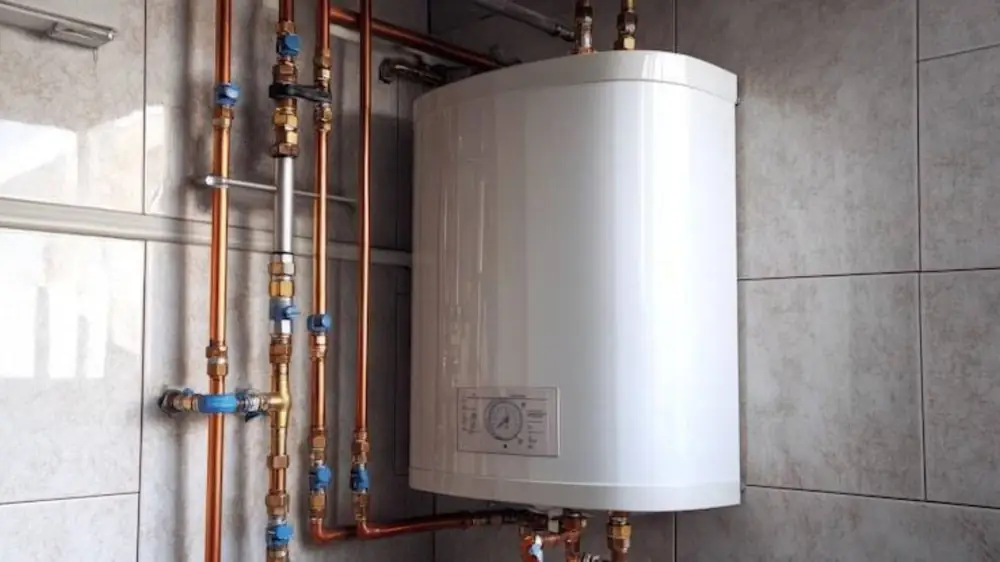
| What you notice | What it usually means | How urgent. |
|---|---|---|
| Puddle spreading from the base | Tank wall or bottom seam has failed | Act now, the tank will not seal itself. |
| Water at the discharge pipe or overflow | Relief valve is releasing pressure or weeping | Plumber the same day. |
| Wet insulation or drips at the top fittings | Supply or outlet connection is leaking | Shut the cold supply, then call a plumber. |
| Rust streaks on the tank or pan | Slow corrosion, often an older tank | Plan for replacement. |
| Ceiling stain or drip in the unit below | Water has crossed the floor assembly | Call both a plumber and the restoration line. |
| Lukewarm water plus a damp closet floor | A leak may be draining the tank | Check the base of the closet. |
A steady puddle usually means the tank itself, which cannot be patched.
Safety steps for the first hour
The water from a heater tank can be hot enough to scald, so keep children, pets and bare feet away from puddles near the base. Do not reach into a flooded closet to turn things off if the water is steaming or deep.
Cut the power or gas to the heater first. For an electric heater, switch off its breaker only if the panel is dry and safe to reach. For a gas heater, turn the gas control to off. If you smell gas, leave the house and call the gas utility or 911 before you call us.
Then close the cold water supply valve on the pipe feeding the tank. That stops new water from filling the tank and feeding the leak. Stay out of water near wiring, outlets or the heater's electrical connections, and call 911 if you see sparks or the breaker will not stay off.
Heater leaking into the floor?
Call the 24/7 line and we will tell you what to move and what to leave alone while a crew heads your way.
How we clean up after a heater leak
Extract the water
Portable extraction units pull standing water off the slab, vinyl or carpet. In a closet we work around the heater pan and the plumber's access.
Remove what cannot dry
Wet baseboard, soaked insulation, saturated carpet pad and drywall that has gone soft are cut out and bagged so they stop feeding moisture into the room.
Dry the structure
Air movers and LGR dehumidifiers run on the floor and wall cavities. A thermal camera and moisture meters show where water traveled, including under the closet wall.
Check the floor below
In an upstairs unit or two-story home we read the ceiling and wall cavities underneath, then open and dry them if readings stay high.
A plumber repairs or replaces the heater, and we do not do that work. We schedule around the plumber so the tank swap and the drying do not collide. Drying follows the approach described in ANSI/IICRC S500, and you can ask any company whether its crews work to it.
What changes the cost of a heater leak cleanup
The price is explained before work starts, and these factors move it most:
- How long it leaked. A slow weep that ran for weeks reaches more material than a tank that failed this morning.
- Where the heater sits. A garage slab dries differently from a closet with carpet, or an attic above living space.
- Water that crossed floors. A leak into the unit below adds a second room or a second unit to the scope.
- Materials involved. Carpet pad, drywall and baseboard come out quickly. Hardwood and subfloor need more drying time.
- Access. Tight closets and crawlspaces slow extraction and equipment placement.
Insurance and who pays for what
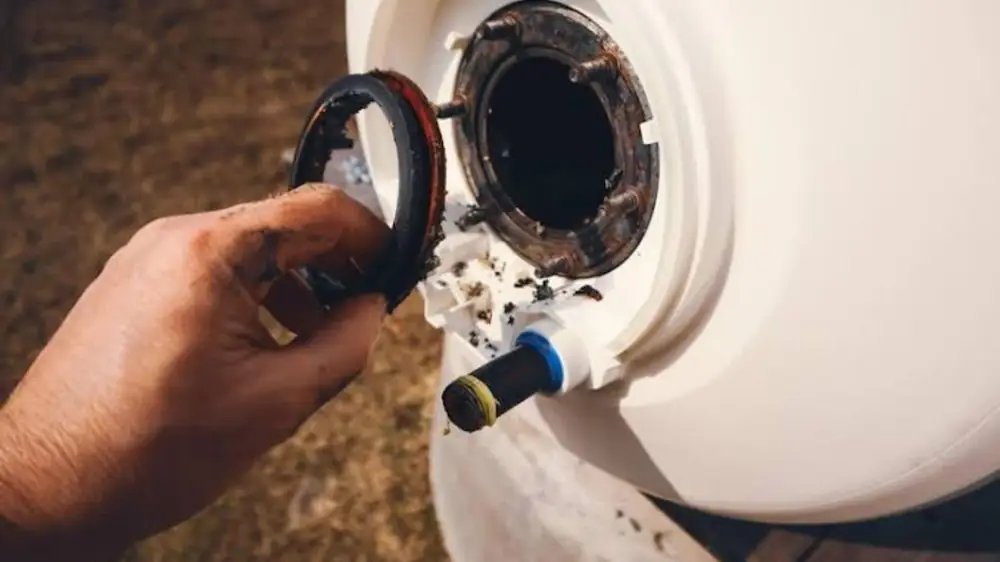
The tank itself is usually treated as wear and tear, so do not assume the heater is covered. The water damage that follows may be treated differently, particularly when the failure was sudden. Ask your insurer how your policy treats each part.
Gradual leaks that ran for a long time are often excluded, and flood damage from outside the home is usually excluded unless you carry separate flood coverage. The California Department of Insurance notes that standard homeowners policies typically exclude flood. Photograph the heater, the label and the wet areas before anything is removed.
Mistakes to avoid after a heater leak
Leaving the gas or power on
A heater with a failed tank can still fire its burner or element. Cut the energy source before you start mopping.
Mopping and walking away
Surface water is the visible part. Water that went under baseboards and into the wall base keeps feeding damp drywall for days.
Reinstalling without bracing
A replacement heater needs earthquake bracing. Ask the plumber to confirm it before the job is closed out.
Waiting on the landlord to decide
If you rent, tell the owner or manager in writing the same day and keep the dated message.
Water heaters, rentals and earthquake rules in Studio City
California Health and Safety Code section 19211 requires new and replacement water heaters to be braced, anchored or strapped against earthquake motion. That is the plumber's job, so ask for it in the quote and ask the city building department whether a permit is needed for the swap.
U.S. Census Bureau figures show that only about 36 percent of occupied homes in the City of Los Angeles are owner-occupied, so most households rent. A leaking heater in a rental usually means telling the landlord or property manager right away, because the heater belongs to the building. The U.S. EPA also says to report leaks right away if you rent, and to dry wet areas within 24 to 48 hours.
Where else we respond
Crews also cover Sherman Oaks, where Ventura Boulevard runs through the same stretch of homes and condos. We reach the older housing in Burbank too, and Burbank runs its own permit office, so heater permit questions there go to Burbank, not Los Angeles.
When the leak was a supply hose on a washer or dishwasher and not the heater, read our page on appliance leaks. When water has reached walls and framing, structural drying explains the equipment and the readings we use.
Water heater leak questions in Studio City
Is emergency water heater leak cleanup available in Studio City?
Yes. A tank that gives out at 2 a.m. can be reported at 2 a.m. The dispatcher explains how to close the cold supply and cut gas or power safely, and we send a crew the same day when available. A set arrival time is not promised.
Do I shut off the gas or the water first?
Cut the power or gas to the heater, then close the cold supply to the tank. If you smell gas, leave and call the gas utility or 911 first.
Will you replace the water heater?
No. A plumber repairs or replaces the heater. We extract the water, remove wet material and dry the structure, and we schedule around the plumber.
Is the hot water dangerous?
It can scald. Keep people and pets away from puddles at the base until the heater is off and the water has cooled.
My heater is upstairs and the ceiling below is stained. What now?
Call a plumber and the restoration line together. We check the ceiling and wall cavities in the lower unit with a thermal camera and meters, and let the owner or manager know.
Will insurance pay for the heater?
Tanks are usually treated as wear. The resulting water damage may be handled differently, so ask your insurer before you decide.