
Why drywall fails when it gets wet
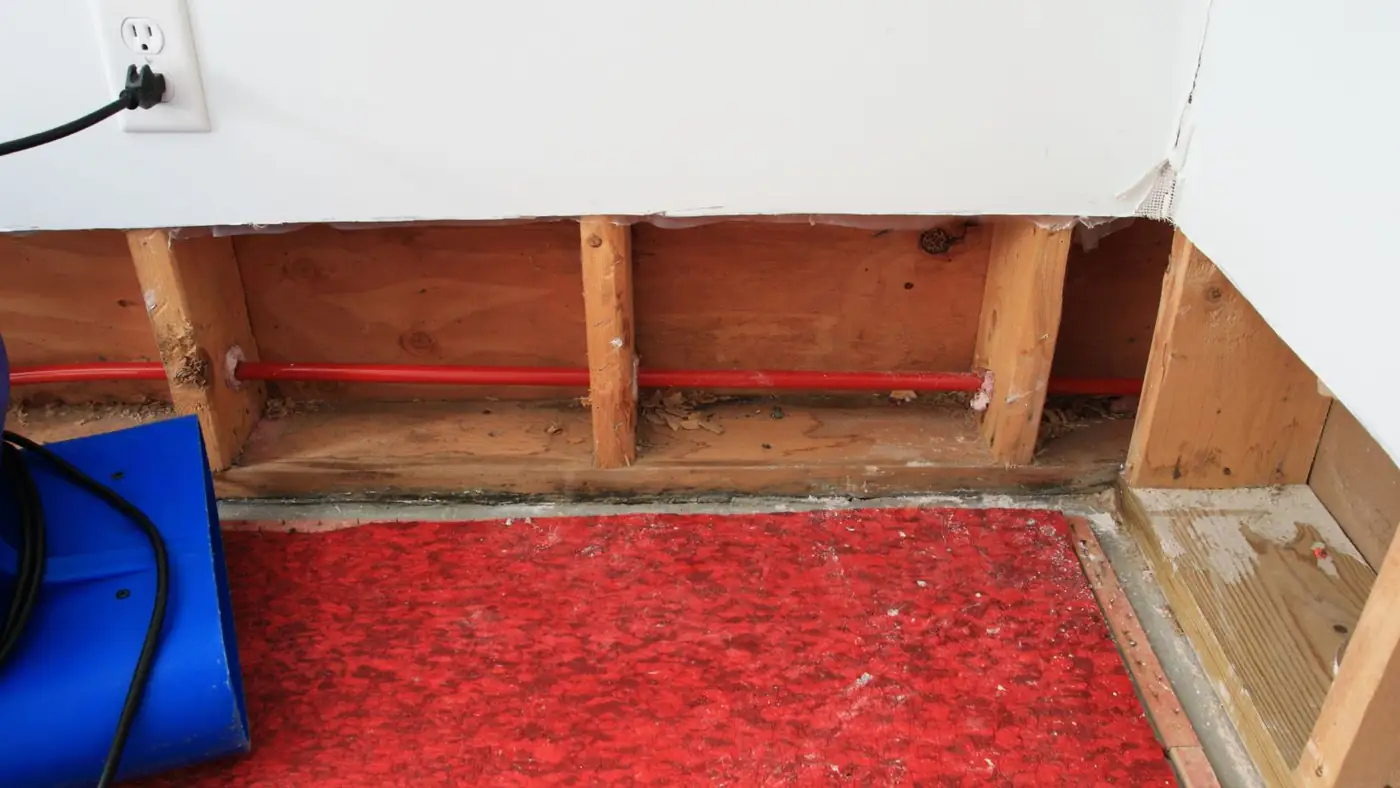
Drywall water damage repair removes ruined board and rebuilds the wall once the framing is dry. Drywall is gypsum between two layers of paper, and the paper wicks water quickly. Once wet, the board softens and can crumble.
Water usually enters from a floor leak, a plumbing line inside the wall or a roof leak running down. It then climbs upward from the floor through the paper face, often well past the visible stain.
What you see, and what is behind it
| What you see | What it usually means | Next step. |
|---|---|---|
| Bubbling or peeling paint | Water behind the paint film | Meter the wall, then decide. |
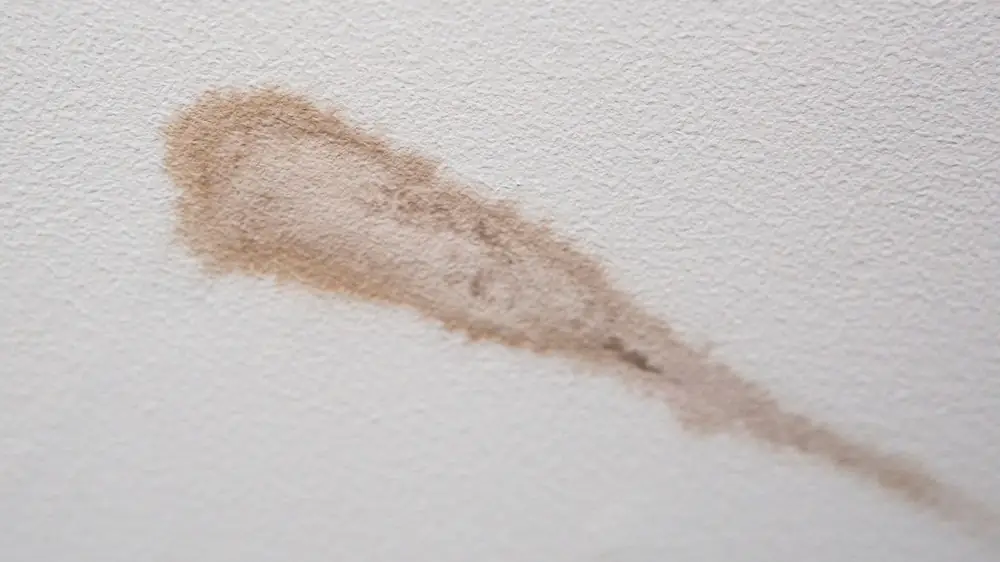
| Brown or yellow stain | Water has dried, and may return if the source is not fixed | Find the source, check readings. |
| Soft or crumbling board | Gypsum is breaking down | Cut out the board. |
| Wet or swollen baseboard | Water at the wall base or wicking up | Pull the baseboard, check cavity. |
| Musty smell | Moisture trapped in the cavity | Open and dry the cavity. |
Ceilings follow the same logic, and a wet ceiling often means insulation above is soaked too.
Safety steps when a wall is wet
Wall cavities hold wiring and outlets. If a wall is wet near a switch, outlet or panel, stay clear. Cut power only if the panel is dry and safe to reach, and call 911 or the utility for any electrical or gas risk before calling the restoration line.
A leaking pipe inside a wall needs a plumber to shut it off and repair it. We do not fix plumbing, but we work around the plumber and can open the wall for access if you ask.
Can the drywall be dried in place?
Sometimes. If the water was clean, the board is still firm, the paint has not blistered and the wall was caught early, a crew can dry it in place. That means meter readings, air movers, a dehumidifier and sometimes small holes or removed baseboard so air flows through the cavity.
If the board is soft, swollen, stained from dirty water or has been wet for more than a day or two, cutting it out is usually the better choice. The U.S. EPA says to dry water-damaged areas within 24 to 48 hours, and that if they are dried in that window mold usually will not grow. Past that point, wet board is a mold risk.
Our wall repair process
Measure and map
Meters and a thermal camera find how high water climbed and mark the cut line a measured height above the highest wet reading.
Cut and open
Wet drywall is cut out, wet insulation is removed, and the bottom plate and studs are exposed.
Dry the framing
Air movers and dehumidifiers dry studs and plates until readings match a dry reference. Our structural drying page explains the readings.
Rebuild the wall
New board goes in, followed by tape, mud, texture matching, primer, paint and baseboard reinstall.
Cutting a measured height above the water line gives clean, dry board to tie the patch into. A crew would rather cut a little high than leave damp board behind the new wall.
Wet wall? Do not paint over it
Call the 24/7 line and a crew can measure before anything is sealed in.
Rebuilding the surface so it disappears
New board is screwed to dry studs, then taped and finished with joint compound in thin coats, sanded between coats. Texture is matched by sprayed or hand-applied methods, depending on the original, and a primer seals the patch before paint.
Painting the full wall from corner to corner hides repairs better than a spot patch. Baseboard is reinstalled last and caulked. If a ceiling was also affected, the same steps apply, and our water damage repair page covers the broader rebuild.
Plaster and lath in older houses
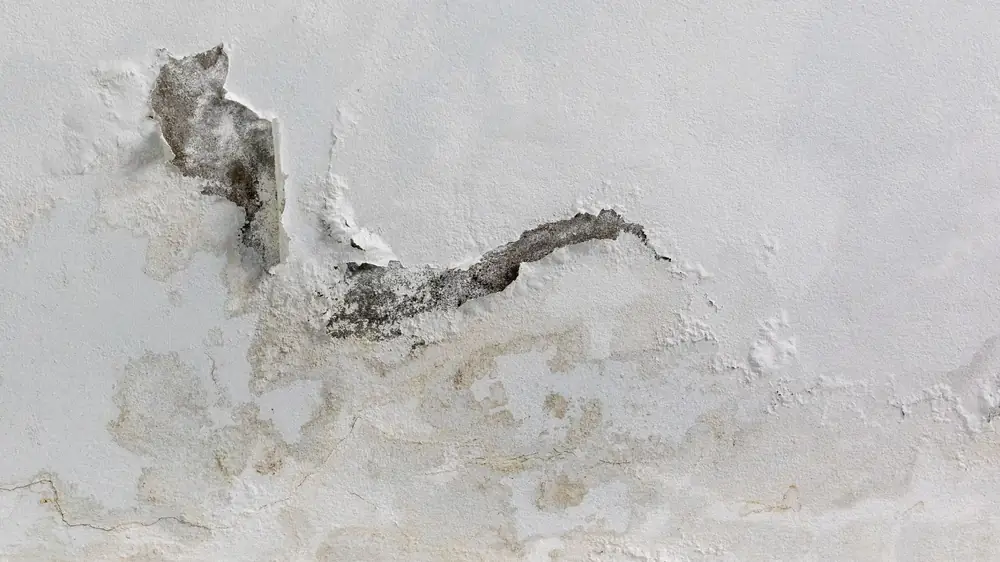
Many 1930s houses have plaster over wood lath instead of drywall. Plaster is heavy and can hold water longer, and the lath behind it may need careful drying or partial removal. It does not cut and patch like board, so a crew checks before opening it.
In Valley Village, many houses date from the 1930s, built by studio workers, mostly single-story Spanish and ranch-style homes. If yours is one of them, see Valley Village. Burbank also has older housing, with more than 62 percent built before 1970, so wall materials there vary. See Burbank.
What changes the cost and how insurance fits
Scope comes before the start of work. Wall repair costs hinge on:
- Height of the wet area. Higher water means more board to remove and replace.
- Water category. Contaminated water requires removal, not drying in place.
- Insulation and framing. Wet insulation is removed, and framing may need extended drying.
- Texture and paint. Matching an old texture and painting corner to corner adds labor.
- Trim and finish. Baseboard, casing and paint color are part of the scope.
Sudden and accidental damage is often covered by a homeowners policy, and gradual leaks and neglect often are not. Check your policy and ask your insurer. Photos before cutting help the record.
Mistakes to avoid with wet drywall
- Painting over bubbled or stained paint, which seals moisture in.
- Patching only the visible stain while wet insulation stays in the cavity.
- Closing the wall before readings on the studs match a dry reference.
- Skipping the plumber when the source is a pipe inside the wall.
- Hiring any contractor without checking a license.
Permits, licenses and who to ask in Studio City
Studio City is in the City of Los Angeles, so ask the city building department about permits. Burbank is a separate city with its own permit office, so the rules there differ.
To check a contractor, look up the license with the California Contractors State License Board (CSLB), which lets you search online. Do this before signing anything, and ask about the S500 standard for the drying work. For the rest of the rebuild, see water damage repair.
Drywall water damage questions in Studio City
Is emergency drywall water damage repair available in Studio City?
Yes. A wet wall is worth a call at night too, especially near wiring. The dispatcher tells you what to check and what to leave alone. A crew is sent the same day when available, and no arrival time is promised.
How high above the water line is drywall cut?
A measured height above the highest wet reading, so the new board ties into dry material. The exact line comes from meter readings, not a fixed rule.
Can bubbling paint be fixed with just new paint?
Not safely. Bubbling means water is behind the film, so the wall needs readings first. Painting over it traps moisture.
What about insulation inside the wall?
Wet insulation holds water and is usually removed, then the cavity and framing are dried before closing up.
Do plaster walls get repaired differently?
Yes. Plaster over lath is heavy and does not cut like board, so a crew checks the lath and decides how much to open.
Do I need a permit for wall repair?
Often small repairs do not, but rules vary. Ask the city building department before work starts.