
When wastewater comes back up
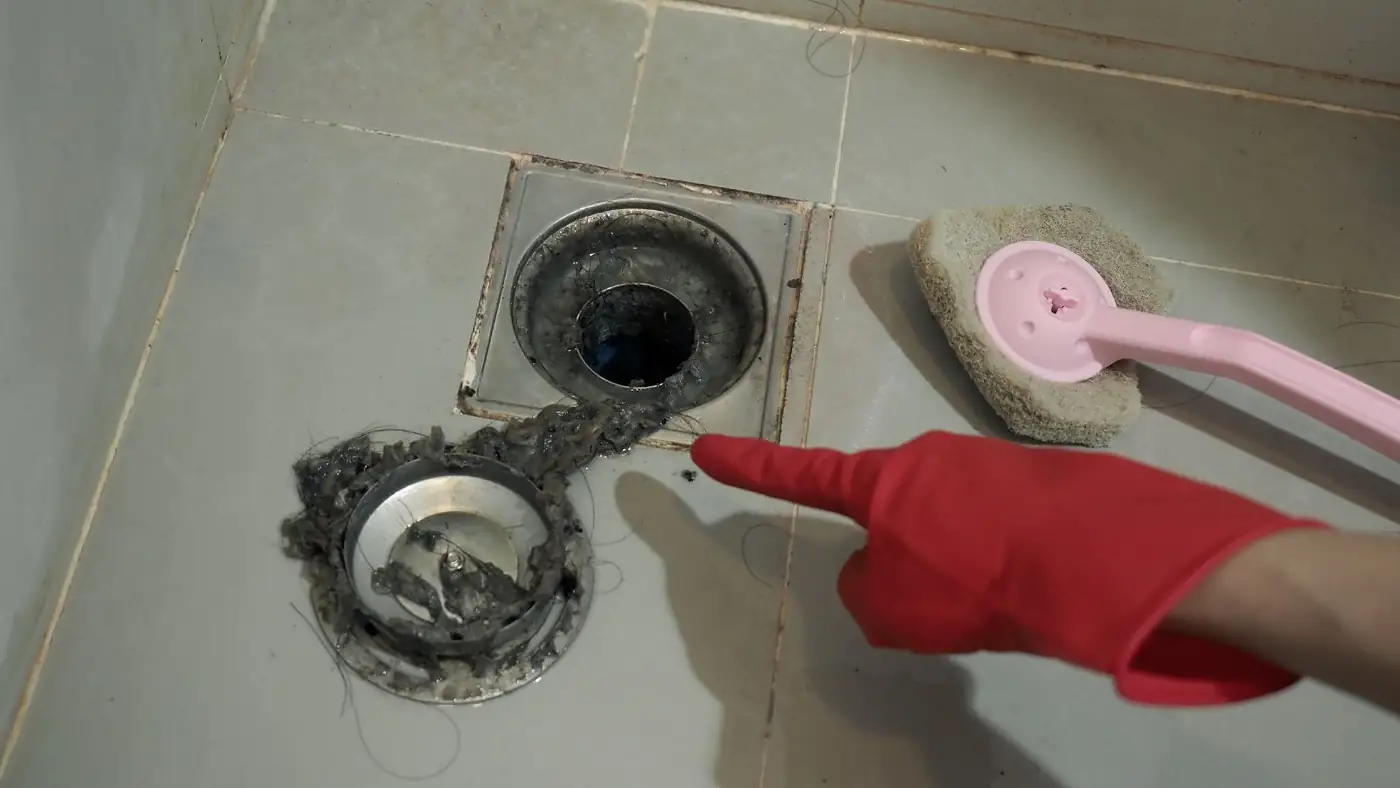
A sewage backup cleanup job begins when wastewater from the drain system reverses and comes up into the building. It shows up at the lowest openings first, which means a toilet, a bathtub, a shower, a floor drain or an outside cleanout.
This is the highest-contamination category of water damage. The water is contaminated, so protective gear and proper disposal matter, and anything porous it touches is treated as unsafe to keep. That is a different situation from a clean supply-line leak.
Clean-water main breaks are a different category. The 2014 and 2026 water main events in Studio City involved clean-water mains, not sewer lines, and the cleanup rules differ.
Public sewer main or private lateral
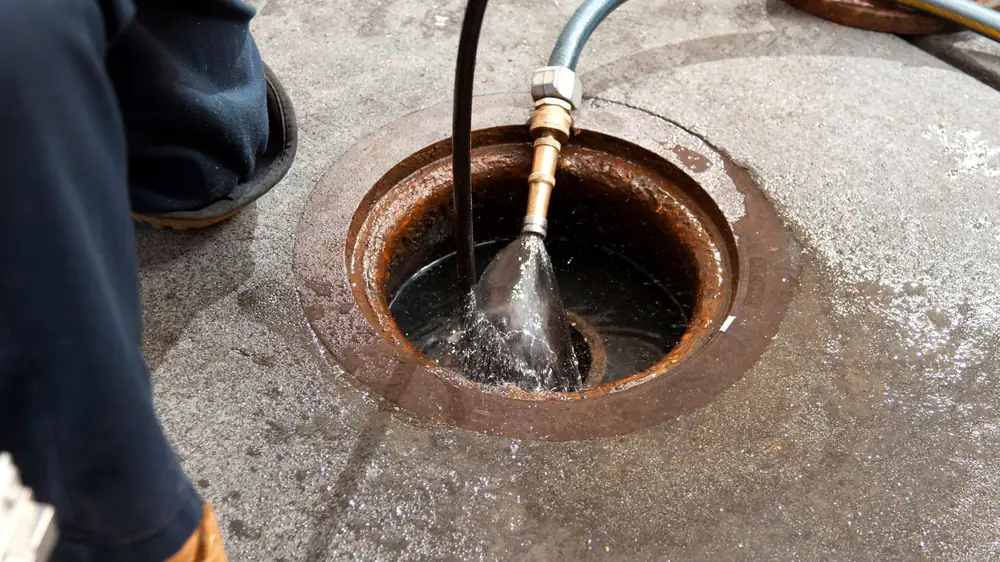
The sewer system has two parts. The public sewer main runs under the street and belongs to the city. The private lateral is the pipe that connects your building to that main, and it is the property owner's responsibility.
If a problem is on the city side, LA Sanitation lists 311 and 1-800-773-CITY (2489) as the numbers to call. If it is on the private side, call a plumber. Ask a dispatcher or your plumber if you are not sure which side you are on. Neighbors with the same backup is a hint the main may be involved.
We do not repair pipes or clear lines. We handle the cleanup and drying after a plumber or the city has stopped the backup.
What you see and what it tells you
| Sign. | What it can mean. | First move. |
|---|---|---|
| Toilet fills and spills over. | Blockage in the private line or the main. | Stop flushing and run no water. |
| Floor drain bubbling or gurgling. | Line is full or blocked downstream. | Keep people out of the room. |
| Water in the tub after a flush or laundry. | Lowest fixture is taking the overflow. | Stop using water and call a plumber. |
| Cleanout cap leaking or lifting. | Pressure from a blocked lateral. | Do not open it, call a plumber or 311. |
| Sewer smell with damp flooring. | Wastewater has soaked materials. | Call us for extraction and removal. |
Several fixtures backing up at once usually points to a blockage further down the line.
Safety steps for the first hour
Keep people and pets out of the wet area and do not use water, since every flush or load of laundry adds to the backup. Do not walk through it in street shoes and track it to clean rooms.
If water reached outlets, appliances or the panel, cut power only if the panel is dry and safe to reach, and call 911 or the utility for electrical or gas risk before calling the restoration line. Open windows for ventilation if the weather allows.
Sewage damage gets worse every hour it sits
Call the 24/7 line and we begin containment as soon as the crew arrives.
How a crew handles a sewage loss
Contain and protect
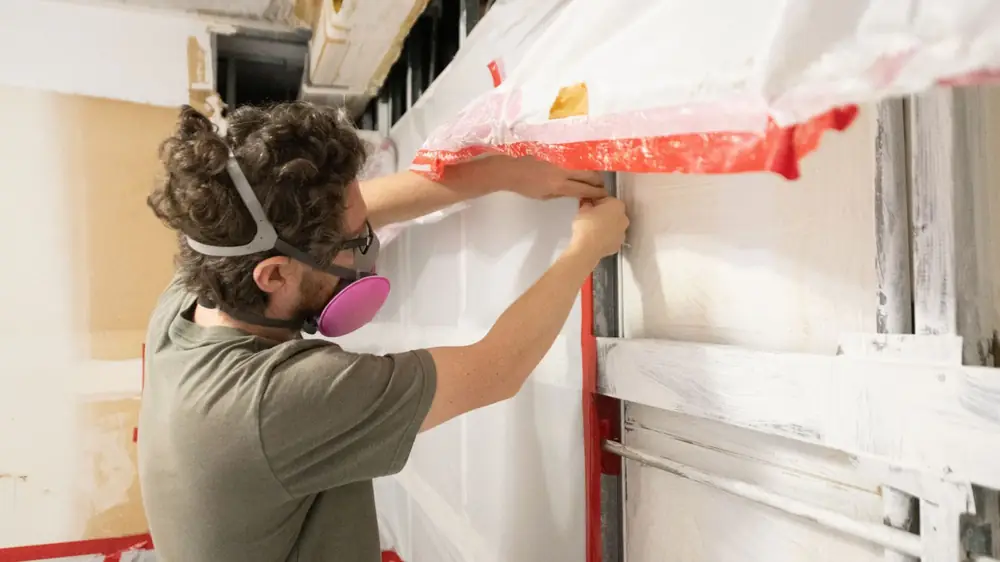
Plastic barriers and negative air seal off the affected area so the rest of the home stays clean. Crew members wear protective gear and boots.
Extract and remove
Extraction units pull the liquid. Porous materials such as carpet, pad, insulation and low drywall are cut out, bagged and disposed of properly.
Clean and disinfect
Hard surfaces, framing and slab are cleaned with detergent, then treated with a disinfectant approved for the job.
Dry and scrub the air
Air movers and LGR dehumidifiers dry the structure. HEPA air scrubbers run while work is under way. Moisture meters confirm the finish.
The U.S. EPA says absorbent or porous materials such as carpet may have to be thrown away, and for sewage or other contaminated water it points to professional help. We follow the published ANSI/IICRC S500 standard as a reference for this category of loss. If you want to compare companies, ask whether their crews work to it.
Once the area is clean and dry, rebuild work like new flooring and drywall falls under water damage cleanup follow-ups and later repair.
What changes the cost of sewage cleanup
Before work begins, scope is laid out. Sewage totals depend on:
- Area and depth. A single bathroom is a smaller job than sewage across several rooms.
- Materials removed. Porous flooring and wall bottoms must be cut out and hauled away.
- Contents. Items that sat in the water may need to be cleaned or discarded.
- Protective measures. Containment, gear and air scrubbing add equipment and labor.
- Drying time. Slabs, subfloors and framing dry at different speeds.
- Plumbing work. The line repair is a plumber's separate cost.
Sewer backup coverage and your policy
Ask your insurer whether a sewer or drain backup is covered. This is often a separate endorsement on a homeowners policy and is not always included. Flood has its own exclusion, and the California Department of Insurance notes that flood insurance comes through the National Flood Insurance Program.
Take photos before cleanup, keep receipts and the plumber's report, and ask what your policy needs from you.
Mistakes to avoid after a backup
Mopping it up with household tools
Mops, rags and carpet cleaners spread contamination and are hard to clean afterward.
Keeping wet carpet or padding
Porous materials soak up contaminated water and are usually removed.
Running the washer or a faucet
Extra water goes straight back into the same blocked line.
Using a regular fan
Moving air can carry droplets and dust. Containment comes first.
Sewage backups around Studio City
Studio City is in the City of Los Angeles, so LA Sanitation and its 311 line cover problems with the city sewer main. Burbank, to the east, is a separate city with its own utility, so the numbers above apply to Los Angeles addresses, and Burbank residents should check with their own city.
In North Hollywood, about three quarters of housing was renter-occupied in the 2000 census, and the U.S. Census Bureau says most households in the City of Los Angeles rent. Tenants should report a backup to the landlord or manager at once and take photos. Floods from outside are handled under flood damage restoration.
Sewage backup questions in Studio City
Is emergency sewage backup cleanup available in Studio City?
Yes. Sewage does not respect weekends. Stay out of the affected area, keep children and pets away, and call. The dispatcher explains what not to touch, and a crew is sent the same day when available. An arrival time is not promised.
Who do I call first, the city or a plumber?
If the problem is on the city side, call 311 or 1-800-773-CITY (2489). If it is on the private lateral, call a plumber. Then call us for cleanup.
Is the sewage the same as a water main break?
No. A clean-water main break carries supply water. Sewage is wastewater and is handled as the most contaminated category.
Can I keep my carpet after a backup?
Usually not. Carpet and pad are porous, and the EPA notes that such materials may have to be thrown away.
Will my insurance cover a sewer backup?
It depends on your policy. Sewer or drain backup is often a separate endorsement, so ask your insurer.
Do you fix the blocked sewer line?
No. A plumber or the city clears and repairs the line. We handle containment, removal, disinfecting and drying.